We work with health organisations, NGOs, and academic institutions to turn complex ideas into clear, compelling communications — so your work reaches the audiences, funders, and partners that matter.
The problem we solve
Health organisations, research institutions, and NGOs often produce genuinely important work — and struggle to make it land outside their own field. Funders want to see impact. Policy audiences need plain language. Communities need to trust you.
We work from those audiences backwards — so your work actually lands.
Read our thinking on this →Selected work
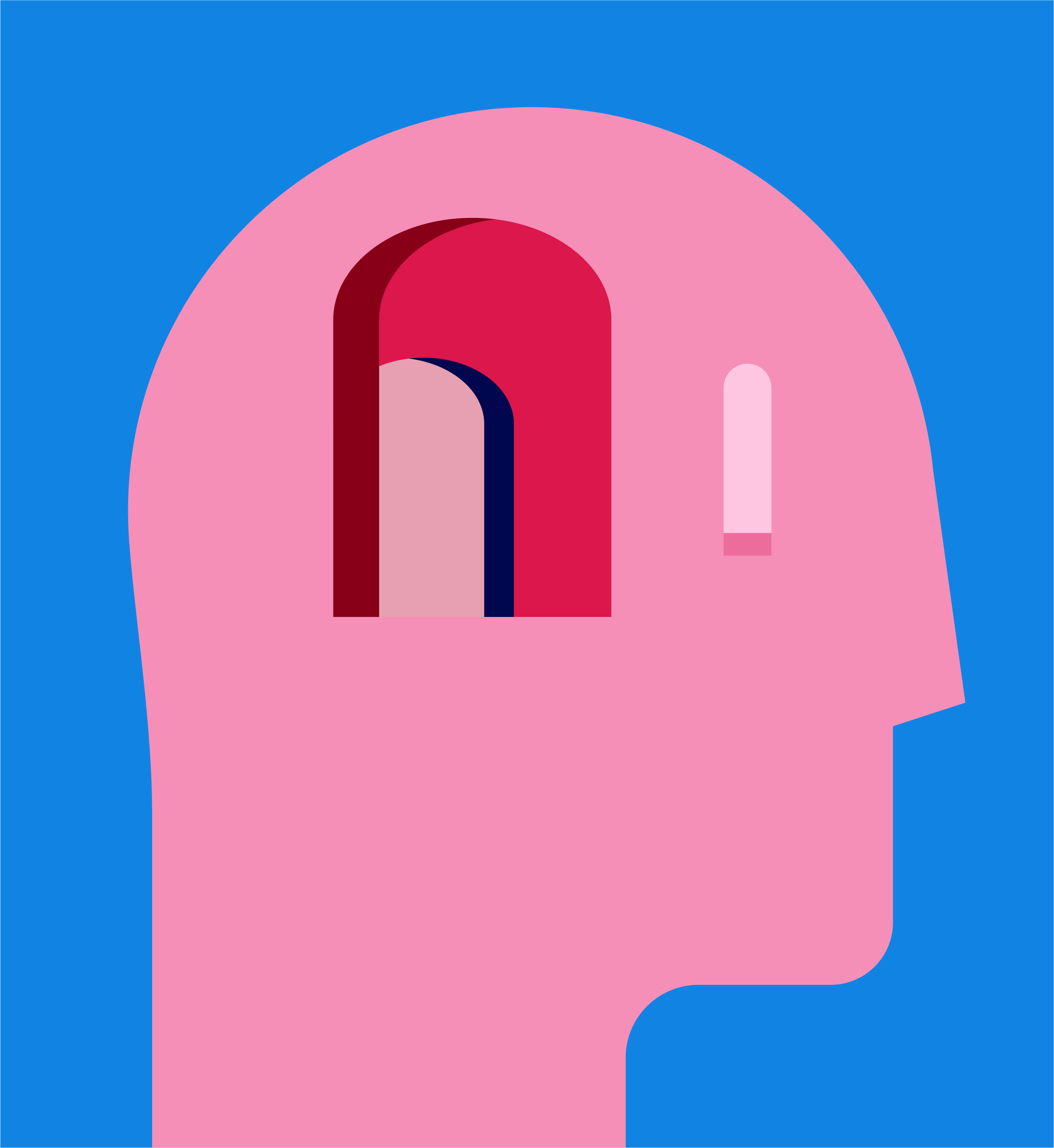
Before there was even a name — a global mental health consultancy launching at WHO and WEF level needed an identity that could hold its own in those rooms. We built everything from scratch: naming strategy, identity system, inclusive illustration language, and a full website.
A global health storytelling platform needed a brand that could sit alongside institutional partners while remaining human and community-centred — without locking into a single visual metaphor as it grew. A flexible identity system that holds documentary, editorial, and partnerships under one roof.
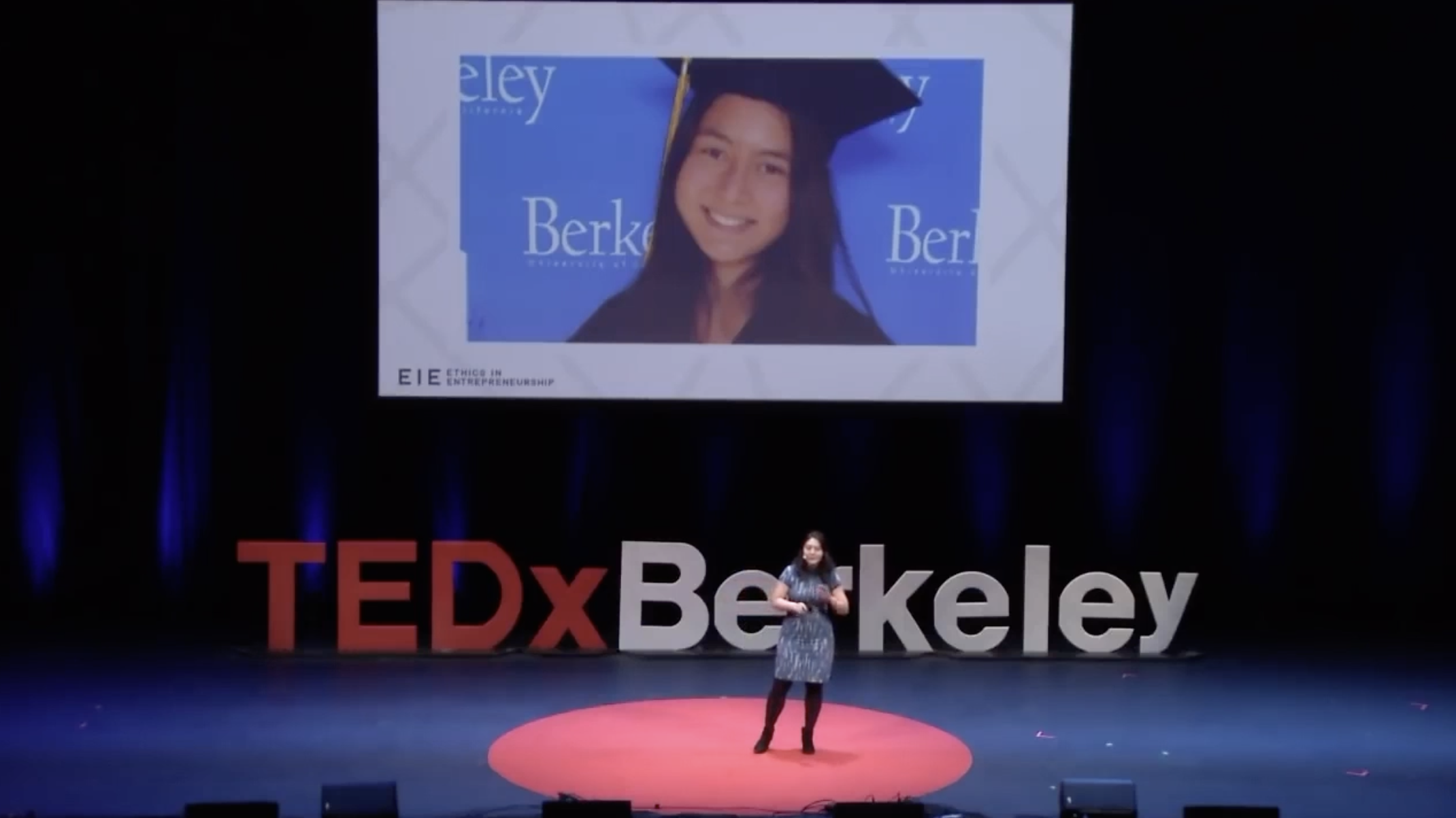
Co-founded by Theranos whistleblowers, EIE needed a brand with real moral weight — principled and purposeful, not corporate. A full identity system rooted in the Marshall Islands' stick chart navigational tradition, for an organisation helping founders find their ethical bearing.
A genetic screening company's materials weren't bridging the gap between clinical expertise and public audiences — too technical for patients, not polished enough for professionals. A revamped website and a multilingual print suite — one coherent system that speaks to both.
SVIHK's frameworks for aligning business with social impact were genuinely robust — but they lived in dense documents that weren't translating outside the room. Information design that made complex shared value thinking scannable and shareable, plus a full event campaign for the Creative Collision forum.
What we do
01
Your research is rigorous. Your website should be too. We design and build sites structured around your audiences — accessible, mobile-first, hosted and maintained by us.
02
Complex data becomes something people actually read. We turn dense research, statistics, and frameworks into scannable, shareable visuals — for print, web, and advocacy work.
03
A brand that earns trust across funders, partners, and communities isn't an accident. We build visual identity systems designed to hold up across every audience you need to reach.
04
The work that happens before design begins. We help you define who you're talking to, what they need to understand, and how to scope your project — so it doesn't cost you twice.
05
Copy that can only be read by specialists isn't working. We adapt technical and research language for lay audiences — without losing accuracy or the credibility you've spent years building.
06
Short-form video for campaigns, events, and digital communications — bringing complex ideas to life in a format that travels further than a PDF.
How we work
Led by Kacey Barratt — a creative director with over a decade working with health organisations, NGOs, and social impact institutions across Hong Kong, Europe, and internationally. Small by design: a focused studio with a trusted network of specialists, so every project gets the attention it actually needs.
We start by understanding your organisation, your audiences and your goals. What do people need to know, what do you need them to do, and what's getting in the way of that right now.
Before anything is designed, we map how information flows. What gets prioritised, how different audiences find what they need, and what each moment of contact is trying to achieve.
Considered, purposeful design that respects the weight of your subject matter while making it genuinely accessible. We handle everything from visual direction through to build and launch.
We don't disappear after launch. We host and maintain what we build, and we're available as your work evolves. Most of our clients come back — because the relationship holds up as much as the work does.
What clients say
"Really great experience here, highly recommend! Kacey was very understanding and patient, and gave very high-quality execution. Will definitely go back with further work with The Kreative Lab!"
Peter Varnum — Brain Health Collective
"I would 100% recommend Kacey to anyone looking for a talented illustrator and thought partner. Not only does she have a great eye for visual design, she also was a great thought partner to help us think critically about the components that made up our illustration so we could better tell our story."
Dalia K. — Stripe
"We hired the Kreative Lab to develop a complete branding strategy for a new company. The Lab created an amazing logo and company colour scheme which we use on virtually all of our documents and digital media. We'd definitely recommend the Kreative Lab!"
Travis Feuerbacher — Ex-Apple
"Very talented graphic designer. Would highly recommend — great attention to detail and creative content."
William Harvey — Bullish
From the studio
Most organisations working in health and social impact don't have a communication problem. They have a translation problem.
The research exists. The frameworks are solid. The evidence base is there. What's missing is the bridge — from what's known inside the organisation to what lands with the people who actually need to act on it: funders, policy makers, communities, the public.
That gap is expensive. Not just in missed funding or slow adoption, but in the quiet erosion of credibility that happens when important work looks less rigorous than it actually is. When dense reports sit unread. When a ten-year programme gets reduced to a two-line summary no one asked for.
We've spent the last decade working at that gap. The organisations we work with aren't struggling to produce knowledge — they're struggling to make it move. To get it into the hands of people who can use it, in a form they'll actually engage with.
That's a design problem. Not graphic design in the cosmetic sense — design in the structural sense. How information is organised, sequenced, framed. What gets said first. What gets left out. Which format serves this audience, on this device, in this moment.
The organisations that do this well don't just communicate more clearly. They build trust faster. They get read. They get funded. They get implemented. And the work that took years to build finally starts reaching the people it was meant for.
If that gap sounds familiar — that's what we're here for.
Let's work together
Tell us about your project. No obligation — just a conversation.
Thank you — we'll be in touch.
We typically respond within 1–2 business days.